


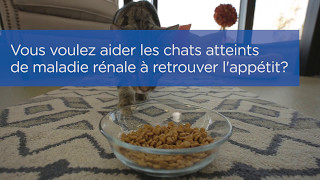



Why Your Choice of Renal Cat Food For Kidney Disease Matters
Cats with kidney issues aren't rare—recent studies estimate that up to 30% of cats over age 10 will develop chronic kidney disease (CKD).* Choosing the right renal cat food can be life-changing. Proper nutrition slows the progression of renal disease (see International Renal Interest Society), helps manage symptoms, and can directly improve your cat’s comfort and longevity. The difference between a generic “senior” formula and a true renal diet is more than marketing: cats with renal insufficiency have unique nutritional needs that standard foods can worsen.
Feeding a prescription renal cat food like Hill'S Prescription Diet K/D Feline Renal Health - 24X5.5Oz targets those needs. But renal foods can be pricy, confusing, or just plain unappetizing for picky eaters. I’ve navigated these waters with my own cats—and there are big differences between brands, textures, and cost. Here’s how to choose wisely and maximize your budget, your cat's health, and their willingness to eat.
Key Criteria For Selecting Renal Cat Food
Does It Really Support Renal Health? What Makes a Food 'Renal'?
Not every bag or can labeled 'renal' is equal. Prescription renal cat foods—like the Hill’s K/D line reviewed here—are backed by clinical trials and are formulated specifically to support cats with kidney issues. They address three main criteria:
- Moderate protein: Too much protein increases kidney workload. Hill’s K/D explicitly lists moderate protein content, which is a standard recommended by both AAHA and WSAVA.
- Phosphorus restricted: Phosphorus accelerates kidney damage. Renal cat foods control it tightly.
- Added omega-3 fatty acids: These help decrease renal inflammation. Hill’s K/D includes this as a benefit in their clinical literature, even if the Amazon sheet does not specify it.
Wet vs. Dry: Does Format Make a Difference?
Wet food is usually preferable for cats with kidney disease because it increases water intake—vital as chronic kidney cats tend to dehydrate. The Hill’S Prescription Diet K/D Feline Renal Health comes as a wet food, which I always recommend over dry. It’s easier on aging teeth, too.
Palatability: Will Your Cat Eat It—Day After Day?
A common frustration: many cats refuse renal recipes, as protein and phosphorus restrictions can impact aroma and taste. In my home, Hill’s K/D has generally ranked above Purina and Royal Canin for acceptance—but individual cats vary wildly. If your cat’s a die-hard kibble fan, you’ll need to transition slowly, mixing old and new for at least 10-14 days.
Portion Size, Packaging, and Waste
The 24x5.5oz packs supplied by Hill’s are practical for multi-cat homes or if you want fewer shopping hassles, but they may be bulky for those with limited fridge space. How quickly are you able to go through an open can? Wet food spoils quickly (within 24 hours in the fridge, and 2 hours at room temperature). Consider your storage and feeding setup.
Cost Per Day: Prescription Foods Aren’t Cheap
Renal cat food, especially prescription brands, costs more per ounce than regular cat food. The Hill’s K/D 24-pack runs roughly $75-$90 (as of late 2025). At 5.5oz a day (split into two meals), expect around $2 to $3.50 per day in food costs. Not all families can justify this indefinitely, but for many, the improvement in quality of life makes it worth every cent.
Common Pitfalls When Choosing Renal Cat Food
Falling for 'Renal' Labels Without Vet Approval
Some non-prescription brands claim to be “kidney-friendly” but don’t actually meet clinical standards for protein and phosphorus. Always consult your veterinarian before switching or choosing any renal cat food. Your vet can help you get a prescription if medically required (the “K/D” line from Hill’s requires one in some regions).
Ignoring the Wet Food Advantage
Sticking to dry “renal” food to save mess or because your cat prefers kibble? Hydration is critical; most renal cats are chronically dehydrated, so wet food isn’t just a luxury—it’s a necessity for better kidney support.
Switching Abruptly Or Too Often
Changing rapidly between foods can cause digestive upset and bring on outright refusal. Always transition gradually—even between two types of renal cat food. Give each option at least 1-2 weeks before giving up (unless your cat shows signs of illness or severe dislike).
Underestimating the Cost (And Running Out)
Subscription or bulk packs (like the Hill’s K/D 24x5.5oz) help prevent emergency runs to the vet when you run out. But do the math: can you realistically afford $80—sometimes every 2-3 weeks for a single cat?
Top Renal Cat Food Picks by Budget
If you need to manage costs, don’t assume that “any” renal cat food will do. Make sure the brand is reputable (Hill’s, Royal Canin, Purina Pro Plan Veterinary are the Big Three). If you need to cut costs:
- Best for clinical effectiveness: Hill’S Prescription Diet K/D Feline Renal Health - 24X5.5Oz — clinically tested, moderate protein, widely recommended by vets.
- Best mid-range alternative: If your vet allows, look at Purina Pro Plan Veterinary Diets NF. Slightly less expensive per can, decent palatability. Wet versions recommended over dry.
- Best for fussy eaters, regardless of cost: Royal Canin Renal Support D or E formulations. These offer flavor variety (aroma, taste, texture) and sometimes tempt the pickiest cats.
- Stretching your budget: Ask your vet about splitting a can between two feedings, or supplementing with phosphate binders if your cat refuses all commercial renal foods. Do NOT “dilute” normal food at home.
Comparing the Best Renal Cat Foods For Feline Kidney Support
| Product | Format | Protein Content | Phosphorus | Pack Size | Typical Price | Notable Features |
|---|---|---|---|---|---|---|
| Hill'S Prescription Diet K/D Feline Renal | Wet | Moderate | Restricted | 24x5.5oz cans | $80-$95 | Clinically proven, vet-recommended |
| Royal Canin Renal Support D/E | Wet | Moderate | Restricted | 24x5.1oz cans | $90-$110 | Multiple palatability options |
| Purina Pro Plan Veterinary Diets NF | Wet | Moderate | Restricted | 24x5.5oz cans | $70-$85 | Good for budget-conscious owners |
Prices 2026, will vary by region/provider. All require vet approval; I recommend wet format for severe renal insufficiency.
Frequently Asked Questions About Renal Cat Food
What is the best renal cat food for picky eaters?
Royal Canin Renal Support D and E have proven most successful with fussy cats because of their multiple flavor profiles and textures. Some cats also accept Hill’s K/D if transitioned very slowly.
How quickly will a renal diet make a difference for my cat's kidney disease?
You may see improved appetite and energy within weeks, but slowing progression of kidney failure is a gradual process. Long-term benefits require steady use and regular monitoring with your veterinarian.
Can I feed my healthy cat renal cat food?
No; for a healthy cat, renal diets can lead to muscle wasting and nutritional deficiencies due to lower protein. Only use if prescribed by your vet.
How do I transition my cat onto Hill’S Prescription Diet K/D?
Mix a small amount of K/D moist with your cat’s current food, gradually increasing over 7-14 days. Watch for digestive upset and always ensure hydration.
How much renal cat food does my cat need daily?
A typical 10-pound (4.5kg) cat needs about 5.5oz of wet renal food per day, divided into two meals. Adjust based on your cat’s weight, activity, and your vet’s advice.
Why is wet food better for cats with renal disease?
Wet food boosts fluid intake, helping kidneys flush toxins more effectively and fighting the constant dehydration of CKD.
Are there any human foods I can give as a treat to cats on a renal diet?
Avoid treats high in protein, phosphorus, or salt. Small amounts of plain boiled egg white can be offered, but always ask your veterinarian first.
What if my cat refuses all renal foods?
Speak to your vet about flavor enhancers or appetite stimulants. Never revert to regular cat food without medical advice; phosphorus binders can sometimes help.
Is veterinary renal cat food really different from grocery store brands?
Yes, because of rigorously controlled protein and phosphorus levels, as well as added nutrients specific for kidney support. Grocery foods rarely meet those standards.
Do I need a prescription to buy Hill'S Prescription Diet K/D?
In most countries, yes—a veterinary prescription is required. Online retailers may ask for confirmation from your vet before shipping.
How should I store open cans of renal cat food?
Keep open cans tightly covered in the fridge and discard unused portions after 24-48 hours. Never leave wet food out at room temp for more than 2 hours.
Our verdict — Hill'S Prescription Diet K/D Feline Renal Health
When I first offered Hill'S Prescription Diet K/D Feline Renal Health - 24X5.5Oz to my senior cat with newly diagnosed CKD, I noticed the food’s smooth, pâté-like texture and mild aroma were less “pungent” than some competitors. My cat approached it with caution, but after a day or two, he started eating it consistently—and crucially, finished his meals without hesitation.
Hill’s K/D is best for indoor or moderately active adult and senior cats diagnosed with renal insufficiency and who tolerate transitions to wet food. If your cat is extremely picky or prefers chunk-style meats, Royal Canin’s textural options may be better, but for most owners starting the kidney journey, Hill’s offers outstanding clinical credibility and ease of feeding.
The 24-pack saves time and unit cost, but the upfront price may sting, especially on a tight budget. If you’re cost-conscious, compare price-per-day with Purina’s Pro Plan Veterinary Diets NF. But in terms of slowing disease progression and providing daily nutrition that’s easy on compromised kidneys, Hill’s K/D remains my top choice for most renal cats.
*References:
- IRIS – International Renal Interest Society. "Guidelines for CKD in cats." https://www.iris-kidney.com/
- WSAVA Global Nutrition Guidelines. https://wsava.org/
- Plantinga, E. A. et al. (2005). "Protein and phosphorus restriction in the management of chronic kidney disease in cats." J Vet Intern Med.*
