


Cat Supplements: How to Choose the Best Multivitamin Chews for Your Cat in 2026
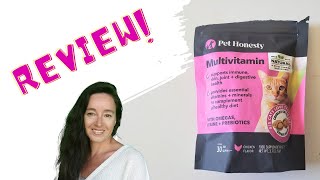
If you care about your cat’s long-term health, choosing the right cat supplements isn’t something to take lightly. With options promising improvement for everything from immune function to digestion, it’s tempting to throw whatever’s trending into your shopping cart. But believe me, not all multivitamin chews are created equal—and not every cat actually benefits from a supplement. I know firsthand, with two cats at home who couldn’t be more different in their needs and reactions to new treats. If you’re considering something like the Cat Multivitamin Crunchy & Creamy Chews – Cat Treats for Health + Immune, Joints, Skin & Coat, & Digestion Support – Vitamins with Omega 3s, Lysine & Probiotics (30 Day Supply), it’s vital to cut through the marketing and decide what will genuinely help your feline friend.
Key Criteria When Choosing Cat Supplements
Choosing a cat supplement is more than picking the flashiest packaging or the longest ingredient list. Here are the factors that matter:
1. Formulation and Ingredients
The first thing I look for is transparency. Does the product actually list its full composition? With the Cat Multivitamin Crunchy & Creamy Chews, the claim is straightforward: these are formulated for adult cats and contain Omega 3s, lysine, and probiotics. But make sure you can identify what you’re feeding—premade “chews” sometimes mask additives or fillers. I always recommend looking for supplements with clearly stated ingredients and preferably those with evidence-backed nutrients. For instance, Omega 3s (from fish oil) are widely studied for skin and coat health (National Research Council, 2006), while lysine is often marketed for respiratory and immune support—though recent studies, like the AVMA’s 2021 review, have raised questions about effectiveness for feline herpesvirus.
2. Targeted Health Needs
Not every cat needs every supplement. Does your cat have joint stiffness, recurring digestive issues, or a dull coat? That should dictate your focus. For a generally healthy, young adult indoor cat, a multivitamin might be enough. For seniors, I’d look for added joint support.
3. Palatability and Delivery
This is where products like the Cat Multivitamin Crunchy & Creamy Chews stand out. If your cat refuses a supplement outright, it’s pointless, no matter how well formulated. Crunchy & creamy chews are more appealing to picky eaters than tablets or pastes. In my home, my older cat loves creamy textured treats, while my younger one is all about crunch.
4. Dosage and Safety
Always check the recommended serving size and ensure you’re not over-supplementing. Too much of even a good thing (vitamins A, D, or certain minerals) can be harmful. With these chews, the 30-day supply assumes a typical one-treat-per-day dosage for an adult cat—appropriate for most, but always confirm with your vet.
5. Certification and Origin
Look for supplements manufactured in countries with strict quality control (e.g., USA, EU, Canada) and, ideally, third-party testing. While some treats are “complementary foods” (as stated for this product), meaning they’re meant to supplement rather than substitute a balanced diet, you should confirm the product doesn’t include unsafe levels of any ingredient.
6. Value for Money
Price shouldn’t be your only consideration, but it matters—especially if you have more than one cat. Calculate per-treat costs and remember: More expensive isn’t always better, but rock-bottom prices tend to mean corners were cut on quality.
If you want to go deeper on choosing by specific dietary need (for example, grain-free kibble or senior cat food), you can consult comparison guides like our grain-free cat kibble guide or senior cat food overview.
Common Pitfalls to Avoid with Cat Supplements
1. Over-Supplementing a Balanced Diet
A widespread mistake is giving multivitamin chews “just in case,” even when feeding a complete commercial cat food. According to the FEDIAF (European Pet Food Industry Guidelines), most high-quality cat foods are already formulated to meet all essential vitamin and mineral requirements. Excessive supplementation—especially with fat-soluble vitamins—is a risk rather than a benefit. Only add supplements if your vet recommends them or you’re dealing with a very specific issue.
2. Chasing Trends over Evidence
Some “wellness” ingredients, like lysine, exploded in popularity years ago, yet subsequent studies (e.g., Drazenovich et al., 2019) have called their necessity into question. Don’t be fooled by catchy claims; always check for up-to-date veterinary consensus.
3. Ignoring Cat Preferences
No matter how perfect the ingredient list, a supplement that gathers dust because your cat refuses it is wasted money. Check reviews for hints about palatability, and—if possible—start with the smallest package or sample size.
4. Confusing Treats with Supplements
Some chews are glorified treats with tiny vitamin content, while others are potent enough to count as a daily supplement. Make sure you know what you’re buying, and always adjust your cat’s treat allowance to account for calories from chews.
5. Not Consulting the Vet
If your cat has allergies, chronic disease, or is on medication, supplements can interact in unexpected ways. The best practice is always to check with your vet before introducing a new daily chew—especially for cats with special needs (renal, diabetic, etc.).
Our Recommended Cat Supplements by Budget
Every pet parent has a spending limit—but that shouldn’t mean compromising on your cat’s health. Here’s how I recommend shopping for multivitamin chews depending on your budget.
Budget (Under $15 per month)
For cat owners wanting a low-cost way to top up ordinary commercial diets, basic multivitamin chews can be a sensible addition. Look for a product that lists real nutrients (not just flavorings). The Cat Multivitamin Crunchy & Creamy Chews falls into this category. With a claimed 30-day supply per pack, you’re looking at well under $0.50 per day.
Mid-range ($15–$25 per month)
Expect better palatability and possibly more evidence-backed formulations at this tier. If your cat is particularly fussy or needs multisystem support (joints, digestion, coat), look for a supplement with a dual texture or a broader spectrum of added ingredients. Products with probiotics are especially useful for cats prone to GI upsets.
Premium (Above $25 per month)
Here, you’re paying for either veterinary-formulated products, added clinical testing, or specialized claims (e.g., joint-specific chews with high-grade glucosamine, chews certified by IFOS or NASC). For most healthy cats, these are not essential, but they could be worthwhile for seniors or cats with chronic health conditions—though I always urge a vet consult before investing.
Use Case Recommendations
- All-around health for indoor adult cats: The Cat Multivitamin Crunchy & Creamy Chews are a reasonable pick for topping up general nutrition—assuming your cat eats them.
- Picky eaters: Prioritize chews with a creamy center; texture often makes the difference. Read reviews to confirm cats actually consume them.
- Seniors/joint support: Target products in the mid-premium range that clearly state added joint support (often via glucosamine or chondroitin).
- Sensitive stomachs/digestive needs: Products with included probiotics or fiber can reduce stool odor and help with minor GI complaints.
Comparison Table: Recommended Cat Multivitamin Chews
| Product Name | Format | Noted Key Nutrients | Price Range/USD | Supply Per Pack | Notable Features | Target Use Cases |
|---|---|---|---|---|---|---|
| Cat Multivitamin Crunchy & Creamy Chews (ASIN: B0C7KJW44J) | Crunchy/creamy | Omega 3s, Lysine, Probiotics | $12–$16 | 30 days | Dual texture, easy-feed | Adult indoor cats, general wellness |
| Typical Basic Multivitamin Chew | Crunchy treat | Mixed vitamins/minerals | $8–$15 | 30 days | Basic formulation | Top-up for commercial diets |
| Premium Vet-Formulated Chew (General example) | Soft/chewy | Vitamins, minerals, glucosamine, probiotics | $20–$35 | 30–60 days | Vet-formulated, joint/digestive focus | Senior cats, special needs cases |
| Treat Only (No real supplementation) | Crunchy/soft | Flavors only, negligible nutrients | $6–$12 | 20–30 days | Palatable, no real supplement value | Cats needing incentives, not nutrition |
Frequently Asked Questions
What are cat supplements and do they work?
Cat supplements are additional vitamins, minerals, or beneficial nutrients offered on top of a cat’s main diet. They can help address deficiencies or certain health needs, but if your cat eats a commercial complete food, they often aren’t necessary unless recommended by your vet.
Can I give my cat multivitamin chews every day?
Yes, most multivitamin chews (like the Cat Multivitamin Crunchy & Creamy Chews) are designed for daily use. Confirm dosing on the package and be wary of giving more than the recommended amount—as excess vitamins and minerals can cause harm.
Are Omega 3s and probiotics really beneficial for cats?
Multiple studies (see National Research Council, 2006) support the benefits of Omega 3s for skin, coat, and inflammation. Probiotics may help with mild digestive issues or antibiotic recovery, but not all products contain effective strains or doses.
Do I need a supplement if my cat already eats a high-quality diet?
In most cases, no. AAFCO-compliant cat foods are formulated to be complete and balanced. Additional supplementation is usually only needed for medical reasons or as directed by your veterinarian.
How do I know if my cat needs supplements for joints or immunity?
Look for physical or behavioral signs: stiffness, trouble jumping, chronic sneezing, or digestive upset. Joint supplements can help older cats, while true immune issues should be diagnosed by a vet first.
Are there risks to giving cat supplements?
Yes—giving unneeded or excessive supplements can strain the liver or kidneys, particularly in older cats, or cause toxicity (notably with vitamins A and D). Always consult a vet if your cat has any health concerns or is on medication.
What should I do if my cat refuses the supplement?
Switch formats (from chew to paste, for example), or try mixing the supplement with their favorite food. Start with a tiny amount to gauge interest. If they won’t eat it, don’t force it—there’s no benefit to a supplement that isn’t consumed.
Can kittens have multivitamin chews?
Unless a product is explicitly labeled for kittens, stick to formulas meant for adult cats. Kittens have different needs and tolerances, and over-supplementing can do more harm than good.
How should I store multivitamin chews?
Store in a cool, dry place, and seal the pack tightly after each use to preserve freshness and prevent spoilage. Follow expiry dates closely.
Are ‘crunchy & creamy’ chews better than regular crunchy chews?
Some cats prefer texture variety, and “crunchy & creamy” can entice picky eaters. Nutritionally, texture alone doesn’t guarantee value—prioritize ingredient quality and real nutritional content.
Our verdict — Cat Multivitamin Crunchy & Creamy Chews
What struck me on day one with the Cat Multivitamin Crunchy & Creamy Chews was the distinct dual texture—the outside is crisp, while the center is unmistakably creamy. When I opened the pack, my younger cat was immediately intrigued by the crunchy surface, while my older cat, a chronic treat snob, only warmed up to the chew after a bit of coaxing. I appreciated that these are sized to be a true “treat”—not too large, not too small, and easy to dose once per day.
If your goal is to add a daily supplement for a generally healthy adult indoor cat, this product is practical, especially for cats accustomed to receiving treats. It's not a miracle cure for serious joint or immune issues, but as an everyday nutritional “top up,” it fits the bill. I wouldn’t recommend it for cats who actively dislike dual-texture treats, and I’d skip it if you’re looking for heavy-duty joint support or supplements focused on senior health. For the price, though, it’s good value—especially if your cat genuinely enjoys it. If your budget is tight, standard multivitamin chews without the gimmicks will work, but this formulation gives you a convenient, palatable entry into daily supplementation for most adults. For picky seniors or cats with clinical needs, invest in a formula with targeted joint or gut support as needed.
