


How to Choose the Best Cat Brush in 2026: Where the ACE2ACE Stands Out
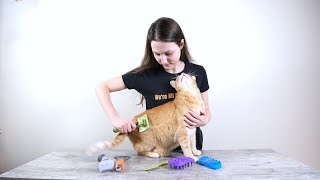
Every cat owner knows: regular brushing isn’t optional. It determines whether you’re living with fluffy companionship or perpetual tumbleweeds of cat hair. Choosing the right cat brush matters far beyond aesthetics—it's about your cat’s health and comfort, and frankly, your sanity. Having two cats with opposite grooming needs, I can tell you the wrong brush is worse than none at all. In this guide, I dive into what genuinely makes a difference, the traps to avoid, and where the ACE2ACE cat brush fits among your options in 2026.
Why Your Choice of Cat Brush Matters
Some brushes are a joy—your cat purrs, your sofa stays fur-free, and brushing sessions are short but effective. Others gather dust, abandoned after your cat bolted at first use or your wrists hurt from awkward grips. The right cat brush can reduce shedding, limit hairballs (veterinarians at the Cornell Feline Health Center emphasize this [1]), and even help spot early signs of skin issues. Picking the right model impacts convenience for you and wellbeing for your cat.
Key Criteria When Choosing a Cat Brush
1. Type of Hair: Long or Short
The best cat brush is one tailored to your cat's coat. Long-haired cats—think Maine Coons or Persians—require longer bristles that penetrate deep to catch undercoat tangles, while shorthairs do better with softer pins or rubber bristles. Using a brush intended for dogs or a one-size-fits-all marketing gimmick? Expect a lackluster grooming session and an annoyed cat.
2. Comfort and Ergonomics
Don’t underestimate the value of a well-designed handle. You want one that's secure with a slightly textured or rubberized grip. The ACE2ACE stands out here, offering an ergonomic, non-slip handle shaped like a cat’s paw. It genuinely minimizes wrist strain during longer sessions, which I value with my fluff ball who needs 15 minutes of daily grooming.
3. Brush Head and Bristles
A rounded, resin-coated head—as found in the ACE2ACE—can reduce skin irritation, which is critical for cats with sensitive skin or those prone to mats. Metal slicker pins (especially those without coated tips) can scratch delicate areas, making this resin option more forgiving, particularly on thin senior skin.
4. Self-Cleaning Mechanism
Self-cleaning mechanisms aren’t a gimmick when designed well. They speed up the grooming process and keep things hygienic. The ACE2ACE’s pop-out fur ejector means you don’t waste time peeling hair from bristles, which is a massive plus if you brush daily or have allergy concerns.
5. Cat’s Temperament and Adaptability
A cat brush that doubles as a toy (e.g., the ACE2ACE’s paw-shape and light, playful feel) can make skeptical cats more receptive. Skittish or previously traumatized pets may need extra gentle introductions. Confidence is great, but if your cat runs from brushes, you’ll do better with soft, rounded pins and a playful approach.
6. Price to Value
Cat brushes can range from €8 for basic wire slickers to over €40 for professional-grade tools. It’s easy to get swept away by promises (ionic technology or “automatic” combs), but a solid, safe, and comfortable model in the €10-20 range delivers real value for most owners. You’ll find the ACE2ACE right in that sweet spot.
7. Cleaning and Maintenance
A brush you can clean thoroughly extends its longevity, prevents bacteria buildup, and reduces odor. Look for brushes with straightforward cleaning—ideally, one button to push all hair away for quick disposal.
Common Pitfalls When Buying a Cat Brush
Trusting Universal Promises
Ignore claims of “one brush fits all.” What works for a Poodle won’t always work for a delicate British Shorthair. Brands that market the same tool for both rabbits and big dogs are usually prioritizing sales over function. The ACE2ACE is sold for both dogs and cats, but its resin-coated slicker pins and smaller head shape make it reasonably cat-appropriate—unlike oversize rakes or harsh metal slickers.
Prioritizing Gimmicks Over Basics
You don’t need ionization, vibrating heads, or flashy lights. I’ve tested these: most are either ignored by the cat or break within months. Instead, focus on bristle quality, handle comfort, and tip safety.
Overlooking Handle Design
A poorly balanced handle causes strain. If your brush slips, you’re more likely to pull fur and annoy your cat. My first grooming tools lacked grip, and both cats objected strongly. Pay attention to handle shape and material—ergonomic designs reduce both of your stress levels.
Not Testing on Your Cat’s Fur Type
Borrow a friend’s brush or buy from a vendor with a return policy. My shorthaired cat despises wire brushes; my longhaired rescue will only tolerate rounded plastic pins. Try before you commit, when possible.
Buying on Price Alone
Going cheap often means sharp pins, weak plastic, or uncomfortable grips. If budget is a concern, sort for models that offer safety-tested tips and positive reviews over the “cheapest available” option.
Our Cat Brush Picks by Budget and Use Case
Best Value: ACE2ACE Dog Brush, Cat Brush for Shedding
This brush hits the sweet spot for most cats thanks to its dual function as a toy and ergonomic tool. The self-cleaning function works reliably, and the resin-coated rounded pins are much kinder to the skin than bare wires. For roughly €14-18, this is my top choice for households with average shedding or for those who want an easy cleaning routine.
Budget Pick: Generic Soft Slicker Brushes (€10-12)
If you have a robust shorthair and only brush occasionally, a basic slicker with soft pins may do the job. Just ensure the bristle tips are rounded and there’s at least some ergonomic grip.
Premium Pick: Professional Grooming Slicker (€30+)
For long-haired cats with thick undercoats, a pro-level slicker with ultra-fine, curved bristles and robust self-cleaning feature (e.g., Hertzko or Furminator models) might justify the price. Note: These are often heavy and not always tolerated by sensitive or senior cats.
For Finicky or Senior Cats: Rubber or Silicone Brushes (€10-16)
Very resistant or elderly cats often benefit from super-soft rubber or silicone brushes that massage rather than dig. They won’t de-mat well but offer a risk-free introduction and good maintenance between deeper grooming sessions.
Comparison Table: Recommended Cat Brushes for 2026
| Product Name | Brush Type | Key Features | Suitable Coat Types | Self-Cleaning | Ergonomics | Price (€) |
|---|---|---|---|---|---|---|
| ACE2ACE Dog Brush, Cat Brush for Shedding | Slicker (Resin) | Ergonomic paw handle, resin-coated pins | Short/Long (mild/moderate) | Yes | Excellent | 14–18 |
| Generic Soft Slicker Brush | Slicker (Metal) | Simple wire pins, basic handle | Short | No | Mediocre | 10–12 |
| Rubber/Silicone Cat Massage Brush | Rubber/Silicone | Flexible, soft bristles | Short (all ages) | No | Very good | 10–16 |
| Professional De-shedding Slicker (Furminator/Hertzko) | Fine-wire Slicker | Deep de-matting, robust self-clean | Long, thick, matted | Yes | Good | 30+ |
Frequently Asked Questions
What is the best cat brush for shedding?
The best cat brush for shedding depends on your cat’s coat type. For most households with regular shorthair or moderate longhair shedding, a resin-coated slicker like the ACE2ACE is effective and gentle.
How often should you brush a cat to reduce shedding?
For shorthairs, brush once or twice per week. Longhairs or heavy shedders need brushing daily to prevent mats and minimize shedding, according to the International Cat Care charity [2].
Do self-cleaning cat brushes really work?
Yes, if well designed. Models like the ACE2ACE eject loose fur with a button, making daily maintenance much faster and less messy.
Will a cat brush also remove mats?
Standard slickers (including ACE2ACE) handle minor tangles but not deep mats. Severely matted cats need a de-matting tool or professional grooming.
Can One Brush Work for Both Dogs and Cats?
Some models are safe for both species if they have coated, rounded tips and a small head. Oversized or harsh pin brushes meant for large dogs can injure cats.
Are cheap cat brushes safe?
Cheap brushes often have sharp, uncovered metal pins and slippery handles. Choose one with round tips and check reviews for safety feedback.
What is the easiest cat brush to clean?
Self-cleaning slickers like the ACE2ACE are easiest—pushing a button removes fur in seconds, keeping bristles clean and ready to use.
How do I introduce a new brush to my cat?
Let your cat sniff the brush first, then gently touch it to their side without brushing. Offer treats and keep sessions short. Soft, playful designs like the ACE2ACE’s paw handle help timid cats adapt.
What if my cat hates being brushed?
Try softer, rubber brushes or glove-style tools. Start with short, positive sessions, and avoid metal slickers or wire pin brushes for sensitive cats.
Is it safe to use a cat brush every day?
Yes, for most cats. Just avoid brushing too hard or lingering over joints and sensitive areas. Daily brushing keeps the coat smooth and helps detect issues early.
Can I use the ACE2ACE on rabbits or small pets?
The ACE2ACE is marketed for rabbits and small pets as well. Its resin-coated pins are gentle enough for small animal fur, but always start with short, gentle brushing.
Our verdict — ACE2ACE Dog Brush, Cat Brush for Shedding
The first thing I noticed when opening the ACE2ACE Dog Brush, Cat Brush for Shedding was the quirky paw-shaped handle—it genuinely feels fun and comfortable to hold. When running my fingers over the resin-coated bristles, I found them smooth and rounded, very unlikely to scratch. My older cat, usually skittish around grooming tools, actually sniffed and rubbed against it, a rare endorsement. On our first full session, the self-cleaning feature made disposal a breeze: no tugging hair out, no mess on my hands.
This model is ideal for indoor cats—especially those with short to moderate coats or who dislike harsh wire slickers. If you have a longhaired cat with heavy undercoat, you may still need a de-matting comb for problem spots, but for regular fur control, it ticks every box. For about €15, the value for money is clear: comfort, safety, and actual daily usability. If you’re on a shoestring budget, a basic soft slicker will suffice, but you’ll miss out on the self-cleaning convenience and improved handle comfort. In my house, this is one cat brush that actually earns its keep.
[1] Cornell Feline Health Center: "Cat Grooming Tips" (https://www.vet.cornell.edu/departments-centers-and-institutes/cornell-feline-health-center/health-information/feline-health-topics/cat-grooming-tips)
[2] International Cat Care: "Brushing and bathing cats" (https://icatcare.org/advice/brushing-and-bathing/)
