


Understanding the problem
Living with an anxious or stressed cat can feel like tiptoeing around an emotional minefield. Maybe your cat is hiding more, grooming obsessively, or scratching at doors in frustration. If you’re reading this, you’re likely struggling to create a peaceful home for your cat—and for yourself. Whether it’s a new pet, a house move, loud noises, or just daily living, anxiety in cats is not only common, but can deeply impact their quality of life. You aren’t alone in seeking a solution: the phrase "cat calming pheromone collar" keeps popping up because so many cat owners are searching for reliable help. I’ve seen the difference the right support can make—both for skittish new arrivals and seasoned cats who suddenly start acting out.
The most common causes
Cat anxiety isn’t just ‘bad behavior’—it usually stems from an underlying cause. According to the American Association of Feline Practitioners and several clinical studies, the most frequent triggers include:
- Environmental changes: Moving, renovations, or even new furniture can spark stress.
- Other pets: The arrival (or loss) of another animal often destabilizes feline confidence.
- Loud noises: Thunder, fireworks, or recurring construction makes many cats feel unsafe.
- Separation anxiety: Cats can grieve after their human leaves for travel or just work.
- Routine disruption: Cats are creatures of habit. Sudden adjustments—like moving feeding times or rearranging litter trays—disturb them more than we tend to think.
A telling study published in the Journal of Veterinary Behavior (Beata et al., 2007) found synthetic feline facial pheromones significantly reduced anxiety-related behaviors, especially when paired with environmental improvements. It’s not ‘coddling’ your cat—stress is a real welfare issue.
Step 1: Observe and record your cat’s stress patterns
Before reaching for products, spend a few days really watching your cat. Note when undesirable behaviors occur, what seems to trigger them, and any patterns you notice. For my own nervous cat, grooming spikes after vacuuming—the root cause was as obvious as the appliance’s roar. Only when you see these patterns can you decide if DIY changes, like moving the litter box away from a noisy washing machine, might help. Sometimes, it’s as simple as that.
Step 2: Try immediate DIY comfort measures
Plenty of stressors respond to quick, low-cost adjustments. Here are the essentials I use and suggest:
- Safe spaces: Provide several cozy, enclosed spots where your cat feels protected. This could be a cardboard box with a blanket, a high window hammock, or a quiet spare room. (If your cat loves to perch near a window, a sturdy hammock can be a game changer. I’ve detailed the best options at our hammock guide.)
- Routine and predictability: Feed at set times, keep the litter tray location consistent, and avoid changing household routines suddenly.
- Enrichment: Interactive toys like feather wands or food puzzles help redirect nervous energy and provide mental stimulation. Bored cats are more likely to focus on their anxiety.
If these steps make a big difference, fantastic! But for many, it’s not enough—especially when anxiety is chronic or spiked by uncontrollable factors (like neighborhood fireworks season).
Step 3: Try calming aids—Does a cat calming pheromone collar work?
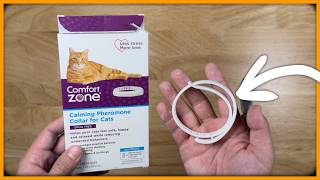
When DIY fixes only go so far, the next step most seasoned owners consider is pheromone therapy. A "cat calming pheromone collar" is designed to emit synthetic feline pheromones, mimicking those naturally produced when your cat feels safe and content. Brands like Comfort Zone are reputable for creating evidence-backed, vet-recommended products. The collar releases these calming signals continuously, wherever your cat goes.
A pheromone collar stands out most when:
- Your cat is anxious across the entire home (not just one room).
- You have multiple cats and need a cumulative effect (collars for each cat).
- You can’t control exposure to triggers (e.g., urban construction noise, visiting guests).
Unlike plug-in diffusers confined to a single room, a collar travels with your cat 24/7. That’s real-world, practical anxiety reduction.
Step 4: Choosing the right cat calming pheromone collar—Product comparison
Choosing a pheromone collar isn’t as simple as grabbing the first one you see. I’ve tested several, and have seen distinct differences in design, scent, and breakaway safety (essential if your cat climbs or plays rough). Here’s how key products stack up:
| Product | Collar Material | Scented/Unscented | Pheromone Type | Breakaway Design | Duration | Suitable for | My Take |
|---|---|---|---|---|---|---|---|
| Comfort Zone Cat Calming Pheromone Collar | Flexible fabric | Mainly unscented | Mimics F3 facial pheromone | Yes | Up to 30 days | Indoor/outdoor | Best for daily stress & multiple cats |
| Sentry Calming Collar for Cats | Rubberized | Slight lavender | Nurturing pheromone complex | Yes | Up to 30 days | Indoor | Good for overt groomers |
| Relaxivet Calming Collar | Synthetic | Strong lavender | Unspecified blend | Sometimes | 30 days | Sensitive noses? | Overwhelming scent, avoid for picky cats |
My personal pick remains Comfort Zone because the scent is nearly undetectable to humans—a major plus if you’re sensitive or live in close quarters. The breakaway feature actually works: one of my cats caught it once on a tree branch, and it freed up immediately.
Step 5: How to use a cat calming pheromone collar (and what NOT to expect)
Fit the collar snugly, leaving space for two fingers underneath. Most cats ignore it quickly, but a few try to chew or remove it initially. In my experience, mild wriggling settles within a couple hours. The Comfort Zone collar starts working within one hour, but real behavioral shifts may take 1-2 weeks. Monitor for:
- Reduced hiding or aggression
- Fewer soiling/spraying incidents
- Less compulsive grooming
Don’t expect miracles overnight or total personality overhauls. If your cat’s anxiety is rooted in trauma or medical issues, no collar will replace proper veterinary care or environmental management.
Step 6: When to involve your vet (and when to persist)
Always consult your vet if physical harm (self-injury, severe weight loss, sudden diarrhea) or abnormal vocalization appears. Vets can rule out medical explanations like hyperthyroidism, pain, or cognitive decline. If, after 4-6 weeks, you see no improvement with a cat calming pheromone collar and environmental changes, return to your vet for further strategy.
Research (Smith et al., 2014, JAVMA) backs up the combined use of pheromone therapy with training and environmental enrichment for best long-term results.
Step 7: Maintain consistent comfort and monitor improvements
If the collar is helping, keep the changes going. Refresh with a new collar monthly, and continue providing safe spaces and regular routines. Stick with gentle handling, especially for rescue cats with a history of stress. Pheromone collars become part of your toolbox, not the only fix.
Expected results and timelines
Most cats show moderate improvement in 7-14 days with a quality collar like Comfort Zone paired with DIY support (routine, hiding spots, play). Severe anxiety cases may take up to 4 weeks. Some cats will remain nervous around certain triggers—expect reduction, not total erasure, of stress behaviors.
If you see no difference after a full month, try a different intervention or consult your vet for a personalized plan. Pheromone therapy is generally safe for all healthy cats, but collars are not chew toys—supervise your cat, especially in the first hours of wear.
