


How to Choose Royal Canin Feline Health Nutrition Dry Food for Young Kittens 3.5 lb: Buyer's Guide 2026
Why Choosing the Right Kitten Food Matters
Kittenhood is a whirlwind of growth. I can’t overstate how strongly early nutrition shapes your cat’s life-long health—and that’s why choosing a premium formula like Royal Canin kitten dry food for young kittens is more than just a convenience. The months between weaning and twelve months are a nutritional highwire act: kittens build muscle, bone, organs, and their immune system at breakneck speed. In my own home, the difference between a tailored kitten formula and generic adult food showed up in energy levels, coat sheen, and even litter box habits within weeks.
Royal Canin's Feline Health Nutrition Dry Food aims to meet kittens' demanding nutritional needs, taking into account both the rapid physical development and their immature digestive system. While marketing claims are everywhere, you need a decision based on real factors, specific use cases, and what’s actually best for your unique kitten—whether you’ve just adopted a stray or you’re raising a planned pedigree litter.
Key Criteria for Selecting Royal Canin Kitten Dry Food
When you're at the store (or on Amazon) comparing Royal Canin kitten dry food to others, don’t be distracted by glossy packaging. Here’s what you should truly judge by:
1. Age Appropriateness and Life Stage
Royal Canin explicitly develops life-stage formulas. This 3.5 lb Feline Health Nutrition variant is labeled for “young kittens” (usually up to 12 months). Feeding a kitten adult food is like expecting a toddler to thrive on steak. The growth phase needs high protein, adapted minerals, and specific vitamins. The Association of American Feed Control Officials (AAFCO) standards dictate essential requirements for kitten food—only buy products meeting these.
2. Ingredient Quality and Digestibility
While Royal Canin rarely publishes exact meat percentages, consistent user reports and the brand’s reputation suggest high digestibility and carefully chosen protein sources. For kittens, what matters most is easily digested proteins, a balanced fat profile, and something that doesn’t upset their sensitive tummies. In my home, formula switching always shows up first in the litter box—well-digested food means less volume and fewer accidents.
3. Kibble Size, Texture, and Palatability
Young kittens explore food mostly by mouth-feel. If kibbles are too large or too hard, you’ll see a sharp drop in interest or even refusal to eat. Royal Canin usually nails this with smaller, rounded kibble optimized for tiny jaws. When transitioning my rescue kitten, she immediately took to the smaller size after refusing a larger-brand “kitten” formula.
4. Safety, Recalls, and Brand Reputation
Royal Canin has longstanding ties to veterinarians worldwide (see the WSAVA Global Nutrition Committee’s recommendations), and its track record on recalls over the last decade is impressive. This stability translates to trust. While no brand is immune to issues, a company that emphasizes research-backed formulas is less likely to cut corners.
5. Price and Sizing Options
The 3.5 lb bag format is, realistically, family-size for a single kitten for about a month. Larger households or foster families will find the per-pound price drops with big bags, but don’t buy in bulk unless you know your kitten tolerates the food well. Amazon’s pricing, from my regular checks, sits well above grocery store generics but below luxury “boutique” brands.
6. Packaging and Freshness
Kibble stales fast. Royal Canin’s zip-top bags are practical, not fancy, but keep product fresh much longer than paper or basic plastic. Portion-wise, you want what you can finish in 4-6 weeks—especially with kittens, who may become picky with stale food.
Common Pitfalls When Buying Kitten Food Online
Even experienced cat parents can trip up. Here are mistakes I’ve seen and made myself:
Mistaking “Kitten” Labeling
Not all “kitten” labels are regulated. Genuine Royal Canin kitten dry food for young kittens states the life stage, often right on the bag, with feeding guidelines matched to weight and age. Avoid products tagged for kittens but with vague directions or missing the AAFCO growth standards.
Overlooking Transition Sensitivity
Sudden food switches can cause stomach upset, even with premium brands. Kittens might have softer stools or temporary digestive wobbles. Always transition over at least 5–7 days, blending increasing amounts of the new food.
Missing Outdated Packaging
Some online sellers list older packaging or “short-dated” batches at a discount. A stale or out-of-date product undoes all of Royal Canin’s careful nutritional balancing.
Ignoring Storage Advice
Kibble that sits open for weeks attracts pests and loses nutrients. Even with a 3.5 lb bag, use an airtight container—especially for humid homes or multi-pet households.
Choosing Royal Canin Kitten Dry Food by Budget and Use Case
Best for First-Time Kitten Owners: Royal Canin Feline Health Nutrition Dry Food for Young Kittens 3.5 lb
A solid all-rounder, ideal for adopters with just one or two kittens. The bag size is forgiving: you won’t be left with stale leftovers if your kitten decides to be finicky.
Best for Tight Budgets: Purina ONE Healthy Kitten (reference competitor)
If the Royal Canin kitten dry food price feels steep, Purina’s offering is often $3–$7 cheaper per bag. Quality is reasonable but slightly less digestible. If you try it, monitor stool consistency and coat shine—cheaper usually means fewer animal proteins and more plant content.
Best for Breeders or Multi-Kitten Households: Royal Canin Mother & Babycat
If you’re weaning a litter or fostering, this step-down Royal Canin formula is gentler for kittens younger than eight weeks. The price per pound is typically lower with larger bag sizes.
Best for Working Cat Owners: Royal Canin Kitten Indoor
If your young cat is strictly indoors (as most of mine are), Royal Canin also markets an “Indoor” variant. It factors in the slightly lower energy needs and, in my experience, produces less pungent stools—a plus for small apartments.
Comparison Table: Recommended Kitten Foods 2026
| Model & Bag Size | Approx. Price Range | Life Stage | Kibble Texture | Pros | Limitations |
|---|---|---|---|---|---|
| Royal Canin Feline Health Nutrition Kitten 3.5lb | $$ (mid-high) | Up to 12 mo | Small, tailored | Trusted, great for first-time owners | Not hypoallergenic |
| Royal Canin Mother & Babycat 3.5lb | $$ (mid-high) | 1–4 mo + Mom | Ultra-soft, tiny | Best for weaning or small kittens | Too rich for older |
| Royal Canin Kitten Indoor 3.5lb | $$ (mid-high) | Up to 12 mo | Small, tailored | Odor control for pets kept inside | Slightly pricier |
| Purina ONE Healthy Kitten 3.5lb | $ (lower) | Up to 12 mo | Standard, moderate | Budget-friendly | Slightly lower protein |
| Hill’s Science Diet Kitten 3.5lb | $$ | Up to 12 mo | Small, dense | Vet-formulated, high reputation | Shorter shelf life |
Frequently Asked Questions About Royal Canin Kitten Dry Food
Is Royal Canin kitten dry food good for all breeds?
Yes, the general Royal Canin kitten formula is adapted for most breeds and types. There are breed-specific lines if you prefer, but the standard version is suitable for mixed and purebred kittens.
How long should my kitten eat Royal Canin kitten dry food?
Feed until 12 months old. After that, transition slowly to an adult formula. Kittens mature at different rates, so check weight and your vet’s advice.
How do I transition from another food to Royal Canin kitten dry food?
Gradually mix increasing amounts of Royal Canin over 7 days. Watch for stool changes or digestive upset—they should resolve as your kitten adapts.
Can I feed Royal Canin kitten dry food exclusively, or should I combine with wet food?
While you can use it alone, many cats benefit from a mix for hydration. If your kitten hesitates with dry food, try moistening it slightly or offering a wet Royal Canin kitten variety.
What if my kitten is very picky?
Royal Canin is generally well-liked, but not all cats agree. If your kitten refuses it, check for illness, try mixing with wet food, or slowly introduce over a longer period.
Is Royal Canin kitten dry food hypoallergenic?
No, it is not considered hypoallergenic. If your kitten has sensitivities, consult your veterinarian for specialty diets. Royal Canin does offer some allergy management products.
How much Royal Canin kitten dry food should I feed?
Start with the feeding guide on the bag, then adjust based on your kitten’s growth and activity. Most kittens eat ½–¾ cup daily, split into two to three meals.
Does Royal Canin source its ingredients safely?
Royal Canin has rigorous quality controls and sources from multiple regions, mainly Europe and North America. They have a solid reputation for food safety among major veterinary associations (see WSAVA nutrition toolkit recommendations).
Can adult cats eat Royal Canin kitten food?
Occasionally, yes, but long-term use isn’t recommended. Kitten diets are high in calories and nutrients; for adults, that means weight gain and nutritional imbalance.
How do I store an open bag of Royal Canin kitten dry food?
Roll the bag top down tightly or transfer to an airtight container. Store in a cool, dry place—heat and moisture degrade kibble quickly.
Is Royal Canin kitten dry food grain free?
No—the standard formula includes grains for palatability, texture, and energy. If you need grain-free, look for specific formulas labeled accordingly.
Our verdict — Royal Canin kitten dry food
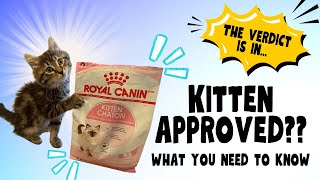
When I first opened the Royal Canin Feline Health Nutrition Dry Food for Young Kittens 3.5 lb, the subtle but distinctive aroma hit me—milder and less “meaty” than some cheaper brands. My youngest cat, who’s cautious about new foods, was investigating within minutes, and the small, softly rounded kibble seemed right for tiny mouths. By day three, her coat was glossier, and her energy at playtime was honestly a handful to manage.
This food is ideal for kittens aged four weeks to a year, especially if you’re nervous about meeting rapid-growth nutritional needs or you’re juggling busy work weeks (it stores cleanly, travels well, and rarely gets rejected). I wouldn’t recommend it if your kitten has known grain allergies or severe digestion issues, though; while gentle, it’s not designed for elimination diets. If you’re raising multiple kittens, the 3.5 lb size may run out quickly, making the larger bag a better buy for households with fosters or litters.
Is it expensive compared to grocery brands? Yes. But in both my experience and that of countless vet colleagues, the peace of mind—and the lack of surprises in the litter box—make it good value for the right home. If budget is tight, start with a small bag; for those who need to economize further, consider blending with high-quality wet food or exploring brands like Purina ONE, but keep a sharp eye on coat and muscle development.
