


Why choosing the right cat treat dispensing ball toy matters
A bored or overweight cat is an unhappy cat. If your feline spends most of its life indoors, finding smart ways to stimulate them is non-negotiable—and this is where a well-designed cat treat dispensing ball toy like the PetSafe Slimcat Feeder Ball comes in. Not all puzzle toys are made equal: some frustrate more than entertain, and others simply break down after a week. Choosing correctly shapes your cat’s eating habits, exercise, and even their trust in you. After using these with two radically different cats for years, I can confidently say: the right cat treat dispensing ball toy can transform daily routines, but only if you choose wisely.
Key Criteria When Buying a Cat Treat Dispensing Ball Toy
Design & Adjustability
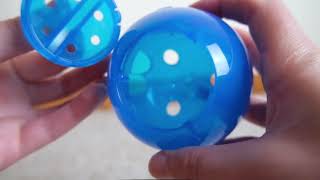
A good treat dispensing ball toy should let you control the difficulty. Why does this matter? Overly simple openings can lead to rapid treat dumping—defeating portion control completely. The PetSafe Slimcat offers adjustable holes, making it suitable for both speedy scarfers and cats who lose interest quickly. Look for models with twist-to-adjust systems, as pop-in hole covers often go missing or break (seen this happen all too often!).
Material Durability & Safety
Cheaper toys from no-name brands can splinter, crack, or leach odors. Cats gnaw, smack, and chase: non-toxic hard plastic, BPA-free when possible, is always preferable. The Slimcat Feeder Ball is robust (survived more than one fall down my stairs) and washes clean, which I prioritize over pure aesthetics every time. Avoid rubbery or overly soft plastics that pick up odors or trap food residue.
Capacity & Portion Control
If your goal is weight management, the ball must hold an entire meal—not just a snack. Cats are creatures of habit and will reject new feeding systems if they can't get their fill. The Slimcat ball accommodates most standard dry food portions, but do check yours: ultra-large kibble sizes or high-calorie prescription diets may need a wider opening or complementary puzzle.
Ease of Cleaning
Removable parts, smooth interior, and dishwasher compatibility are the dream combination. In reality, most balls do best with a hot soapy rinse. Any toy that traps food in unreachable crevices quickly becomes a hygiene risk. PetSafe’s design disassembles with a quarter-twist, making it a rare exception (but double check before letting kibble sit in summer). For cats with allergies or sensitivities, this ease is a must.
Fun Factor & Engagement
You want a toy your cat actually uses. Some cats prefer rolling, others batting, so observe how your cat plays naturally. The rolling movement of the Slimcat ball incentivizes sustained activity—particularly for lazy or senior cats—but nervous cats may prefer smaller, lighter balls. According to the American Association of Feline Practitioners, food puzzles support both physical and mental health (AAFP, 2021).
Common Pitfalls to Avoid With Cat Treat Dispensing Ball Toys
Too Difficult, Too Soon
It's almost funny how fast we expect cats to "get it." If your cat fails to dispense treats after a few trials, they may avoid the toy altogether. Always start with the largest opening and most aromatic treats, then dial up difficulty as skill develops. Forcing your cat to "starve out" doesn't work and can cause stress or aggression.
Poor Quality Materials
There are many imitations online—some even look identical but have snap-in parts that pop out or warp after the first cleaning. If a product feels brittle or smells odd out of the package, skip it. Odor-retaining plastics lead to food refusal (one of my cats won’t touch toys that retain detergent scents).
Overfilling or Using Unsuitable Treats
Overstuffing or using soft, oily, or oversized treats leads to jamming—a recipe for feline disgust. Use dry, regular-sized kibble or designed dental treats. Watch for chewers: persistent cats can crack thin-walled balls if given encouragement!
Noisy or Large for Space
Some dispensing ball toys are almost comically loud on hardwood or tile, sending cats running from the sound rather than chasing it. If your home has sensitive sleepers, be wary: heavier balls or those without rubber coating are the worst offenders.
Ignoring Individual Cat Preferences
A treat dispenser that one cat enjoys can bore another to tears. Observational studies (e.g., Gourkow & Phillips, 2019, on feline enrichment) confirm the need for individualized enrichment. If your cat loses interest, try different treat types, scents, or even move the toy to a new room.
Our Picks for Cat Treat Dispensing Ball Toys by Budget
Best Value for Money: PetSafe Slimcat Feeder Ball
Widely available, tough, and consistently recommended by feline veterinarians, the PetSafe Slimcat ticks almost all boxes for everyday enrichment. At a modest price, it delivers portion control and entertainment for most indoor cats. It’s also compatible with regular dry foods, eliminating the need to buy specialty treats.
Budget Pick: Catit Play Treat Ball
For those on a tight budget, the Catit Play toy offers similar function—though it lacks the same durability and adjustability. It’s well-suited to kittens and lighter players but won’t withstand intense daily use. Cleaning is slightly trickier due to an inner groove.
Upgrade Choice: Doc & Phoebe’s Indoor Hunting Feeder
For multi-cat households or cats who truly need to work for their meal, Doc & Phoebe’s set of smaller mouse-shaped dispensers distributes food in multiple hideable spots. This set costs more, but the enrichment payoff is huge, especially for bored, high-energy cats. However, seniors or those with mobility issues may struggle with the smaller size.
For Large Eaters and Overweight Cats: Cat Amazing Treat Maze
This isn’t a ball, but a modular puzzle box (think: advanced level). For habitual overeaters or cats who devour food too quickly, a maze-type dispenser slows things down and encourages more natural foraging. The drawback: less ideal for timid or highly inactive cats.
Comparison Table of Recommended Cat Treat Dispensing Ball Toys
| Model | Type | Material | Difficulty Adjustable | Dishwasher Safe | Best for | Price Range |
|---|---|---|---|---|---|---|
| PetSafe Slimcat Feeder Ball | Ball | BPA-free plastic | Yes | Top rack | Most adult indoor cats | Low/moderate |
| Catit Play Treat Ball | Ball | Hard plastic | Partially | Hand wash | Kittens, gentle players | Budget |
| Doc & Phoebe’s Indoor Hunting Feeder | Mini dispensers | BPA-free plastic | Yes (number, location) | Hand wash | Multi-cat, active homes | Premium |
| Cat Amazing Treat Maze | Box maze | Cardboard | Yes (maze level) | No | Fast eaters, smart cats | Moderate |
Frequently Asked Questions
How do I introduce a cat treat dispensing ball toy?
Start with the largest hole setting and the most irresistible treats. Let your cat explore without pressure. Some cats start rolling within minutes; others need a day or two of watching.
Can I use wet food with a cat treat dispensing ball toy?
These toys are designed for dry food or firm treats only. Wet or moist foods will clog the holes and grow bacteria. If you feed exclusively wet food, look for slow-bowl feeders instead.
Will the Slimcat Feeder Ball help my cat lose weight?
It supports portion control and encourages physical activity, but calorie content and playtime still matter. According to the AAFP, interactive feeding can reduce overeating and boredom.
Are treat dispensing balls noisy?
Some models do make noise, especially on hard floors. The PetSafe Slimcat is lighter than many, so the sound isn’t overwhelming, but consider your floor type. For quiet play, use on carpet or a rug.
Is the Slimcat feeder safe if chewed?
It’s made from durable BPA-free plastic, but heavy chewers can still damage any toy over time. Regularly inspect for cracks or sharp edges.
How often should I wash a treat dispensing ball toy?
Ideally, wash after every use, especially if food is left inside for hours. Weekly washes are a bare minimum. The Slimcat Feeder Ball tolerates hot water and mild detergent well.
Can I use the feeder with kittens?
Yes, but monitor initial play: kittens may get frustrated or need encouragement. Use smaller kibble and keep the holes wide. Supervise to avoid chewing off pieces.
What are alternatives to ball toys for food dispensing?
Puzzle boxes or maze feeders work for cats who prefer batting or digging over rolling. If your cat ignores ball toys, try one of these instead for added mental challenge.
How do I make the toy more challenging?
As your cat adapts, reduce the hole size on adjustable models. Switch to larger kibble, or combine with hide-and-seek play (hide the ball in different rooms).
Can treat dispensing balls be used for multiple cats?
Generally, one ball per cat is best. Dominant cats may monopolize a single ball, leading to aggression or unequal feeding. For households with multiple cats, consider sets like Doc & Phoebe’s, or supervise mealtimes.
Our verdict — PetSafe Slimcat Feeder Ball
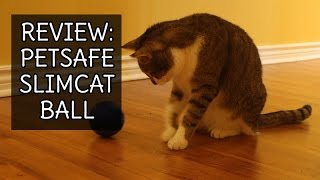
What struck me on day one with the PetSafe Slimcat Feeder Ball was its sturdy yet pleasingly light feel—not flimsy, not brittle. My food-driven tabby instantly pawed at the blue surface, batting it across the tiles until kibble tumbled out, while my cautious senior circled it for several minutes before giving it a try. The simple textured grip made it easy for both to push, and the distinct click when adjusting the openings reassured me it would hold up. Engagement was quick with treats; adaptation for full meals took a couple of days, but both cats now expect it at lunch. This toy is ideal for indoor cats needing both stimulation and slower eating, particularly for those under 8kg and not strong chewers. It may frustrate large or particularly toothy cats, as with any plastic ball. If you want a no-fuss, affordable way to try food enrichment or portion control, this is excellent value. For multi-pet homes on a budget, pick up two—sharing doesn't work. If your finances are very tight, similar no-name balls exist but lack the adjustment dial and durability. For most, the Slimcat strikes the balance between longevity, playability, and price.
