




Picking Cat Kibble for Indoor Cats: Why Your Choice Matters
If you live with cats like mine—one a voracious eater, the other a picky grazer—the battle for the right cat kibble is never-ending. Choosing the right dry food isn’t about falling for big-brand promises or cute marketing. It’s about actual nutrition, supporting your cat’s health day in, day out, and making sure they finish their bowl without side-eyeing you for another flavor. The difference one bag makes is bigger than you think: from dental health to urinary tract support and the very real issue of hairballs, your choice of cat kibble shapes everything from vet bills to daily cleanup.
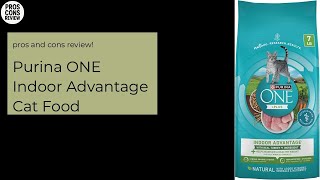
Purina ONE +Plus Dry Cat Food, Indoor Advantage Turkey, 3 kg, shows up on Amazon’s charts for good reason. But is it really a fit for your indoor hunter–or is there better value out there? Here’s how an honest, grounded approach keeps your cat thriving while your wallet doesn’t weep.
Key Criteria for Choosing Cat Kibble
Nutrition That Matches Indoor Cats’ Needs
Not all cat kibble is formulated equal, especially for indoor-only cats. Sitting behind glass means fewer calories burned, and improper feeding quickly turns into excess weight—or worse, chronic health complaints. The indoor formula in Purina ONE +Plus aims at weight control by calibrating calorie content and using turkey as the main protein. This is supported by FEDIAF (European Pet Food Industry Federation) guidance, which emphasizes lean, animal-derived proteins for reduced activity felines (FEDIAF Nutritional Guidelines, 2024).
Dental Health: Not Just a Bonus
The official specs claim up to 40% reduction in tartar buildup, which suggests kibble size or texture that encourages chewing (not just swallowing). While kibble alone won’t fully prevent dental issues (speak to your vet about brushing and checkups), studies published in the Journal of Veterinary Dentistry (2019, Vol 36, Issue 2) found that some dry foods, especially those with specific abrasive textures, can help with tartar control.
Urinary Health: Mineral Balance is Key
If you’ve ever dealt with a male cat’s urinary blockage or repeated UTIs, you know how crucial mineral balance is. The listed “balanced minerals to maintain urinary health” is more than just a label—indoor cats can be prone to dehydration, so well-formulated cat kibble should not overload minerals like magnesium or phosphorus.
Ingredient Quality and Transparency
High absorption and “quality ingredients” are mentioned in the specs, but what matters on the ground is where the protein comes from (real animal sources, not just “meal”), and how many additives make up the rest. Always check for vague terms—if turkey is first, that’s a good start, but scan for cheap fillers or excessive by-products.
Package Size and Cost Per Feed
This bag is 3 kg, which is a sweet spot for most single-cat households—enough to avoid constant restocking, but not so much that freshness or palatability suffer. Be wary of oversized bags for limited feline appetites.
Common Pitfalls When Buying Cat Kibble
Falling for “Indoor” Labels Without Substance
Many brands slap “Indoor” on the bag for marketing. Real indoor cat kibble should reflect lower fat content (often <13-15% as-fed) and controlled energy density. The difference between a quality indoor formula and a generic is management of weight and activity. Some cheap “indoor” options cut more protein than fat—look for the reverse.
Ignoring Palatability and Adaptation
Cats, like people, have strong taste preferences. Just because a friend’s cat loves a kibble doesn’t mean yours will. Buy the smallest bag to test, or mix new kibble gradually, as sudden changes cause digestive upsets and outright rejection. Some indoor “clean formulas” use botanicals cats refuse outright—mine included.
Neglecting Dental or Urinary Claims
Dental health claims mean little unless the kibble has actually been tested and the data is transparent. Look for products citing numbers and referencing research, as with Purina’s 40% tartar reduction note. Urinary health matters especially for neutered males—overlooking this is inviting trouble.
Chasing Price Over Value
Ultra-cheap cat kibble often equals cheaper filler ingredients or insufficient mineral balancing. It’s false economy if you make up the difference at the vet later. Conversely, luxury pricing isn’t always justified if the recipe barely improves over mid-tier options.
Buying Massive Bags Without Consideration
Freshness drops as soon as the bag is opened. Large households may benefit from bulk, but for one or two cats, a 3 kg bag stays palatable while minimizing waste. Store unused portions in airtight containers to preserve aroma and texture.
Our Picks by Budget and Use Case
Choosing cat kibble isn’t one-size-fits-all. Indoor cats, kittens, picky eaters, and health-prone seniors all have different needs. Here’s how Purina ONE +Plus Indoor Advantage Turkey 3 kg compares across main scenarios—with honest advice for when it suits, and alternatives for other priorities.
Budget Buy: For Owners on a Tight Budget
If you're balancing price and quality, Purina ONE +Plus offers respectable value in the mid-range bracket. The 3 kg bag is typically available in the £18–£25 range in the UK (comparable in EUR/USD), much cheaper per meal than “boutique” natural foods. The nutrient profile, moderate fat content, and dental health claims put it above supermarket generics, while often costing less per kilo than heavily advertised brands prowling the same “indoor” niche.
Best for Multi-Cat Indoor Homes
For households with two or more moderately active indoor cats, this kibble balances bulk affordability and broad appeal. Both of my cats (one a gobbler, one picky) generally accepted the taste after a gradual switch. The kibble size suits most adult cats, and there’s enough in a 3 kg bag to last two cats at least 2–3 weeks.
Premium Pick: Sensitive or Special-Needs Cats
If your cat has a sensitive stomach or food allergies, Purina ONE +Plus Indoor Advantage may not be ideal, as ingredient complexity and protein sources can change between batches—typical for big brands. For confirmed sensitivities, consider specialist limited-ingredient formulas (expect £25–£40 per 3 kg bag). The price jump is real but sometimes necessary.
Specific for Cats with Urinary Risk
This formula’s emphasis on balanced minerals for urinary health is a tick in its favor for neutered indoor males. If you’ve already had medical emergencies with struvite crystals or blockages, do not rely solely on kibble—always consult your vet. But among standard supermarket offerings, this is a safer bet than off-brand, unformulated dry foods.
For Owners Concerned With Dental Health
The dental claim (up to 40% tartar reduction) isn’t magic, but few in this price segment make verified promises. That said, no dry food replaces brushing or professional cleaning—use this as a small help, not your only strategy. See How to Choose the Best Cat Brush: ACE2ACE Buyer’s Guide 2026 if your grooming regime also needs a boost.
Cat Kibble Comparison Table
| Product Name | Bag Size | Key Features | Dental Claim | Urinary Health | Typical Price per kg | Target User |
|---|---|---|---|---|---|---|
| Purina ONE +Plus Indoor Turkey | 3 kg | Indoor formula, Turkey, 40% tartar reduction | Yes | Yes | £6-£8 | Indoor, adult cats |
| Supermarket Generic Indoor (example) | 3 kg | Indoor claim, basic protein | No | Rarely | £3-£5 | Budget, non-sensitive cats |
| Limited-Ingredient Premium Kibble | 2 kg | Hypoallergenic, single protein | Rarely | Sometimes | £13-£20 | Allergen- or sensitive cats |
| Specialist Urinary Tract Health Formula | 1.5–3 kg | Prescription balance, often higher protein | Sometimes | Yes | £12-£16 | At-risk or post-medical care |
