


Why Choosing the Right Cat Carrier Matters
If you've ever faced the prospect of coaxing an unwilling feline into a cramped, rattling box, you know just how stressful a poor-quality cat carrier can be—both for you and your cat. The right cat carrier isn't just about getting from point A to B; it's about safety, comfort, and reducing anxiety every single time your cat needs to travel. Having tested more options than I ever imagined—thanks to my two wildly different cats—I can confidently say the Morpilot Cat Carrier stands out for a reason. Let's break down what separates a functional carrier from a regretful impulse buy.
Key Criteria for Choosing a Cat Carrier
Size and Comfort: Don’t Squeeze, Don’t Overwhelm
The biggest error I see? Owners buying a cat carrier that's too small or, surprisingly, too cavernous. Your cat should be able to stand, turn, and lie down—ideally with at least 1-2 inches of clearance all around. The Morpilot Cat Carrier (for cats and dogs up to 18lbs) offers dimensions that suit most adult cats and even some larger breeds. Overly snug carriers cause anxiety and sometimes injury, while huge carriers allow your cat to slide, which also causes stress. The American Association of Feline Practitioners (AAFP) recommends sturdy, cozy interiors that make cats feel secure, not lost (AAFP 2022 Feline Travel Guidelines).
Build Quality: Sturdiness Over Gimmicks
When evaluating a cat carrier, prioritize zippers, seams, and floor rigidity. Weak zippers have undone my travel plans more than once; the Morpilot has lockable safety zippers—an upgrade over generic knockoffs. Check for reinforced stitching, water-resistant materials, and a base that won’t sag (look for metal or hardboard supports). Soft-sided carriers are, frankly, a mixed bag unless well-built: look for actual user reports about collapse or tearing, as these risks aren’t visible until you’re halfway to the vet.
Ventilation and Visibility: Balance Is Key
Too many mesh windows undermine your cat’s sense of security; too few, and your cat overheats. The Morpilot achieves a reasonable compromise—ample ventilation panels without turning the entire carrier into a fishbowl. For shy or nervous cats, opt for carriers that let you control visibility by covering some mesh; a blanket over a side panel works in a pinch.
Portability and Storage: Not Just for Airplanes
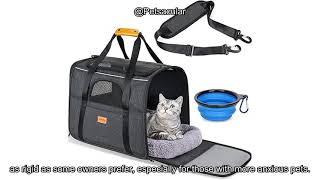
Airline-approved is a marketing plus, but check the actual specs. The Morpilot is designed to fit most cabin standards, but always double-check airline requirements before booking—there is subtle variance. Handles, padded shoulder straps, and luggage passthroughs matter if you navigate airports, but even local trips are easier with lighter, collapsible models. The included foldable bowl from Morpilot is more than a novelty—I use mine for water during long waits at the vet.
Cleaning and Maintenance: Non-Negotiable
Cats vomit, shed, and sometimes relieve themselves under stress. A removable, washable liner is a must; so is an interior that won’t soak up odors. The Morpilot is easy to wipe down and dries quickly—something my accident-prone older cat has really put to the test.
Common Pitfalls to Avoid With Cat Carriers
Choosing a Carrier by Eye—Measure Your Cat
Never guess based on marketing images. Measure your cat’s length nose-to-base-of-tail and height to the shoulder, then add 2 inches for wiggle room. Owners routinely return carriers that looked fine online but came up short (or massive) in real life.
Ignoring Zipper Quality or Security Features
Don’t underestimate a panicked cat’s determination; I once watched a 12lb tabby muscle her way through a cheap zipper. Double zippers with clips or locks, like on the Morpilot, dramatically reduce escape risk—even under stress.
Overvaluing Bells and Whistles
Integrated feeding stations, built-in mini-fans, or flashy designs rarely stand up to real use. Prioritize the basics—solid structure, comfort, ventilation—over gadgets you’ll never use.
Overlooking Airline Nuances
'Airline approved' is not universal! Airlines differ on carrier dimensions. The Morpilot fits most, but experienced travelers will always verify with their carrier before booking. Rejected carriers mean last-minute stress (and public cat meltdowns are memorable for all the wrong reasons).
One Size Doesn’t Fit All Cat Personalities
Shy, senior, or chronically anxious cats thrive in different spaces than confident, curious kittens. For nervous cats, less external visibility is better; bolder cats appreciate more expansive mesh. Think about your cat’s routine stressors—for some, the trip to the vet is already traumatic enough.
Cat Carrier Recommendations by Budget and Use Case
Budget (Under $30): Basic, Functional, but Fewer Features
Expect simple nylon or canvas builds, with generic zippers and limited padding. These suffice for infrequent vet trips with mellow cats, but rarely last through years of multi-cat households. If funds are tight, check for hard sides and basic mesh windows, but don’t expect a carrier to fit large cats comfortably at this budget.
Mid-Range ($30–$70): Sweet Spot for Most Cat Owners
Carriers in this bracket—including the Morpilot Cat Carrier—combine sensible construction with added visibility and convenience features (shoulder straps, foldable bowls, and reinforced security zippers). For most, this balance of price and reliability works. They’re portable enough for car and plane, durable enough for frequent use, and easy to clean—vital if your cat stresses easily or is accident-prone.
Premium ($70+): Maximum Comfort, Airline-Grade Features
Look for features like memory foam bases, full waterproofing, rigid frames, and modular openings (top, front, side). If you fly often or your cat travels long-distance, these are worthwhile. But be wary: many high-priced models add little practical benefit over solid mid-range picks unless you need bells and whistles like wheels or smart ventilation systems (rarely necessary for domestic travel).
Travel vs Everyday Use
If you only transport your cat to the vet a couple times a year, a simple soft-sided carrier (with lockable zippers) does the job. For road trips or airplane rides, focus on sturdiness, airline compliance, and features that streamline security checks: quick-access openings, storage for documents, and durable hardware.
Comparison Table: Morpilot Cat Carrier vs Popular Alternatives
| Product Name | Max Weight | Dimensions | Opening | Structure | Airline Approved | Washable | Extras | Price Range |
|---|---|---|---|---|---|---|---|---|
| Morpilot Cat Carrier (Dark Gray) | 18 lbs | Large (varies, up to 18lbs) | Top & Side | Soft-sided, reinforced | Yes | Yes | Foldable bowl, lock zipper | $35–$50 |
| Petmate Two Door Top Load | 15 lbs | 19" x 12.6" x 10" | Top & Front | Hard shell | Often | Yes | N/A | $45–$65 |
| Henkelion Soft Sided Carrier | 15 lbs | 17" x 11" x 11" | Side | Soft, basic | Yes | Yes | Padded strap | $25–$40 |
| Sherpa Deluxe Airline Carrier | 16 lbs | 18" x 11" x 10.5" | Top & Side | Soft, flexible | Yes (Guaranteed) | Yes | ID tag, seatbelt | $50–$80 |
| Siivton Expandable Pet Carrier | 18 lbs | 18" x 11" x 11" (expands) | Top & Side | Soft, expandable | Yes | Yes | Expandable sides | $55–$85 |
Frequently Asked Questions
What size cat carrier do I need for my cat?
Measure your cat from nose to base of tail and from floor to top of shoulder. Add 2 inches in each dimension. Most adult cats fit best in carriers designed for up to 18lbs.
Are soft-sided cat carriers safe for large cats?
They are safe if the frame is reinforced and zippers lock, as with the Morpilot Cat Carrier. Avoid thin nylon models with single-stitched seams for cats over 12lbs.
Is the Morpilot Cat Carrier airline approved?
Yes, it is designed to meet most airline cabin regulations. Always check your airline's specific requirements before departure.
How do I reduce my cat's stress in a carrier?
Familiarize your cat with the carrier days before travel. Place treats, toys, and Feliway-sprayed blankets inside. Cover parts of the paneled mesh for shy cats.
How do I clean a soft-sided cat carrier?
Remove the base insert, then vacuum fur out. Machine wash any removable pads, and wipe down the interior with pet-safe disinfectant. Let it dry thoroughly before reuse.
What carrier is best for cats that hate travel?
Choose a model with multiple openings (top and side) and limited mesh. Interior plushness and the ability to darken the inside help calm nervous cats.
Do airlines allow soft-sided carriers for cats?
Most do, yes, as long as the dimensions fit under the seat and ventilation is adequate. Confirm with your airline in advance.
Can two cats share a cat carrier?
Generally not recommended. Even bonded siblings can stress each other in tight, strange spaces. For safety and comfort, one cat per carrier.
What's the difference between a dog and a cat carrier?
Dog carriers are often larger and less focused on secure closures. Cat carriers require robust zippers and strong mesh to prevent escapes.
How long can a cat safely stay inside a carrier?
For travel, cats should not remain in carriers for more than 6 hours at a stretch, with a break for water and litter if possible. For vet trips, brief periods (under one hour) are ideal.
Should I buy a top-loading or side-loading cat carrier?
Top-loading (or carriers with both top and side entry) make it easier to load resistant cats, especially for vet visits. They are my personal pick for households with nervous or senior cats.
Our verdict — Morpilot Cat Carrier Large
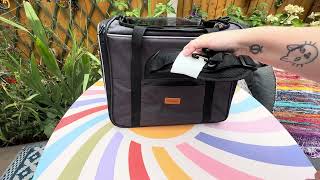
What struck me on day one with the Morpilot Cat Carrier - Soft Sided Cat Carrier Large for Big Medium Cats and Puppy up to 18lbs, Pet Carrier with Safety Zippers, Foldable Bowl, Airline Approved Large Dog Carrier - Dark Gray was just how sturdy and padded it felt compared to other carriers I've tested in this range. Specifically, the texture of the lining is plush but not fuzzy—my older cat laid down immediately, kneaded the pad, and didn’t scramble to escape (unlike with our old plastic crate). The mesh is thick but not scratchy, and the lockable zippers genuinely prevent even the most determined paw from working them open.
In my hands-on use, the Morpilot stands out as ideal for cats up to 18lbs—think chunky Maine Coons, fluffy British Shorthairs, or those awkward, long-limbed teenagers who don’t fit in most basic carriers. It's a top choice for indoor cats of all ages, especially those needing smooth trips to the vet, routine car rides, or even flights (with upfront airline double-checks). If your cat is particularly anxious, you’ll appreciate being able to partially cover the mesh to reduce stimulation. Cats needing more privacy or with major aggression/anxiety toward travel will still benefit most from carriers you can fully cloak—but for the average cat, flexibility here hits a sweet spot.
In terms of value, I’d rate the Morpilot as offering the best balance of comfort, long-term durability, and sensible features (the foldable bowl is now in my everyday kit, not just for vet days). If your budget is tight, you could try a no-name basic carrier, but having lost two to broken zippers and one to a completely collapsed base, I’d rather spend a little extra for peace of mind and feline safety.
